
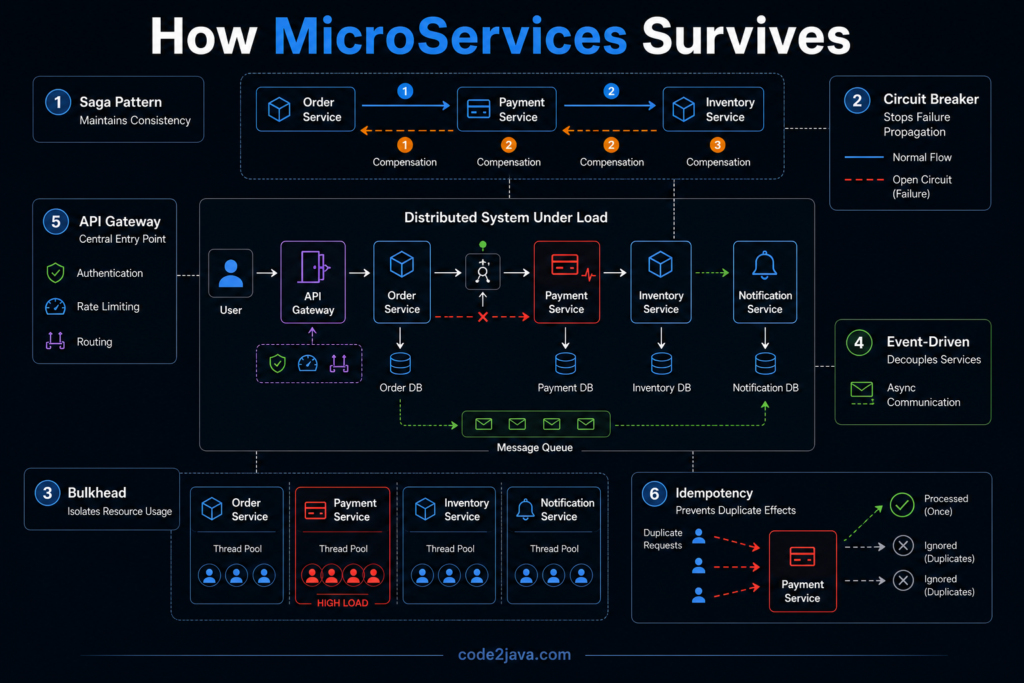
Understanding Micro Services – Part 4 – How Micro Services Survives
Design Patterns — How Microservices Actually Survive in Production 1. Why Patterns Become Necessary (Not Optional) By the time a […]
Design Patterns — How Microservices Actually Survive in Production 1. Why Patterns Become Necessary (Not Optional) By the time a […]
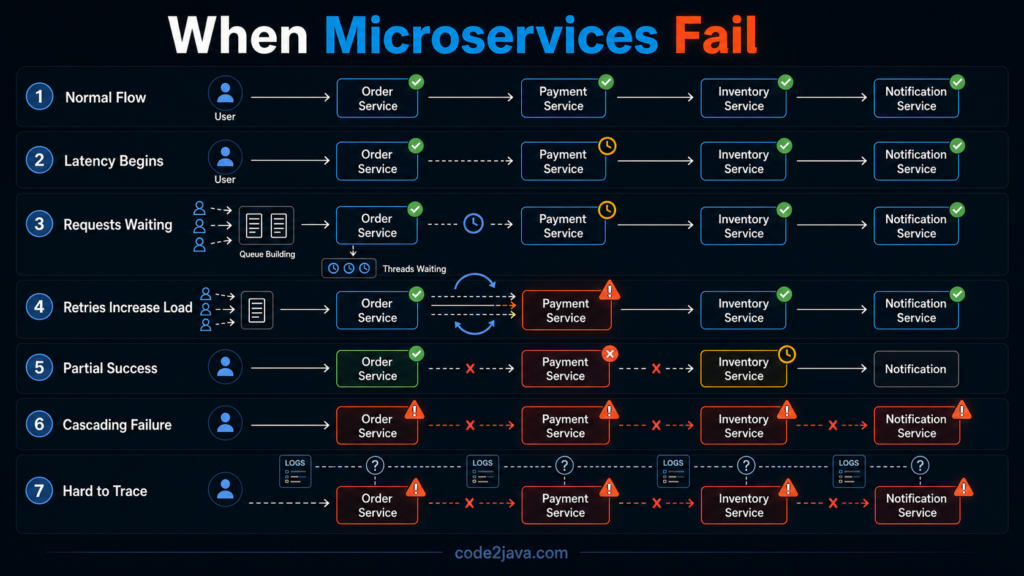
How Systems Actually Fail — The Reality of Distributed Failures 1. When Everything Works… Until It Doesn’t By the time
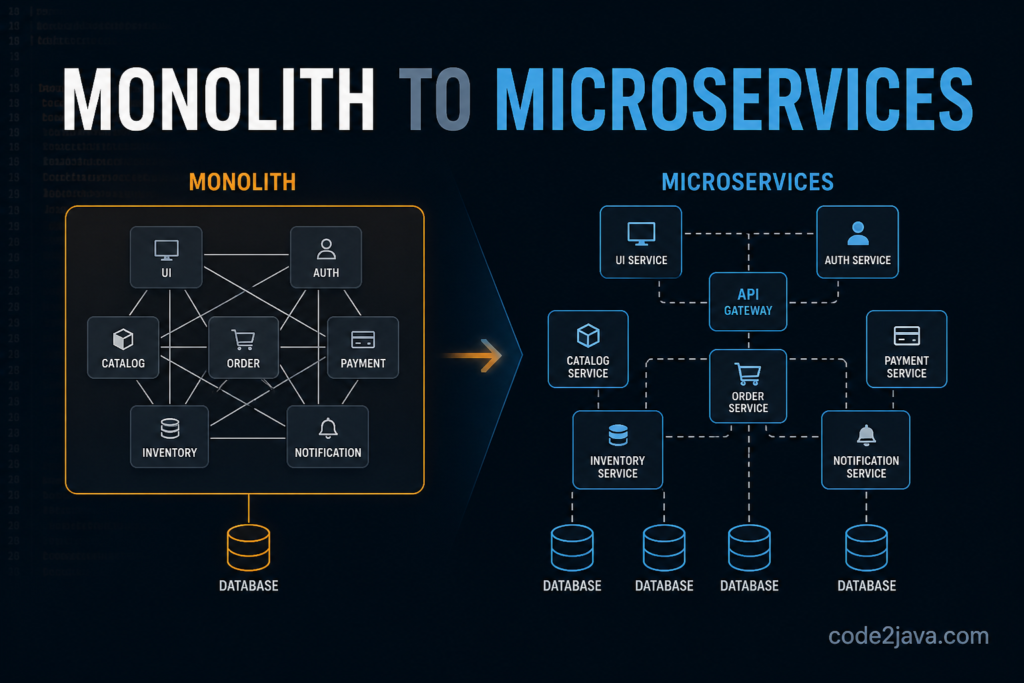
The Illusion of Micro Services — What Actually Changes The Expectation: Breaking the System Will Make It Simpler When teams
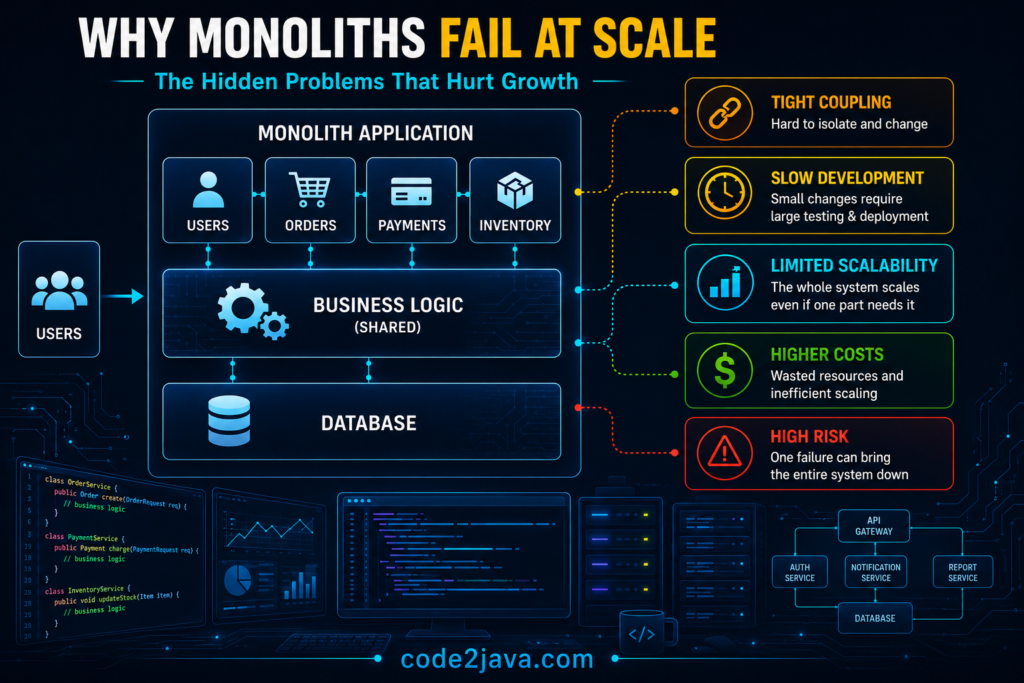
The Breaking Point — Why Monoliths Fail at Scale 1. Architectural Context A monolith works well in the beginning because
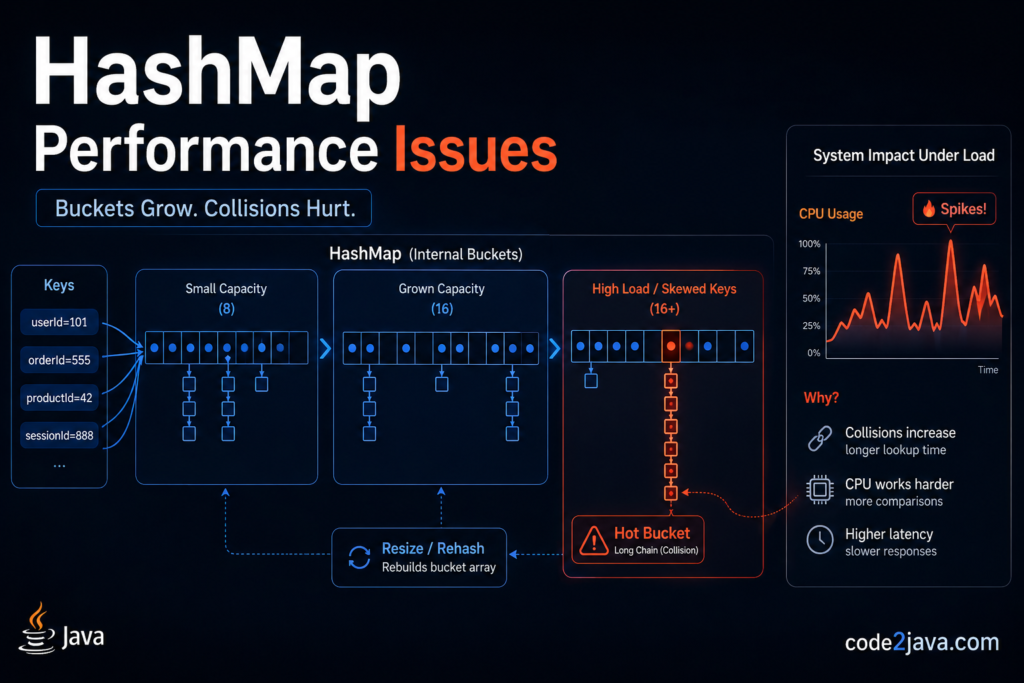
1. Production Problem The service was a transaction enrichment pipeline — a Java backend responsible for decorating payment events with
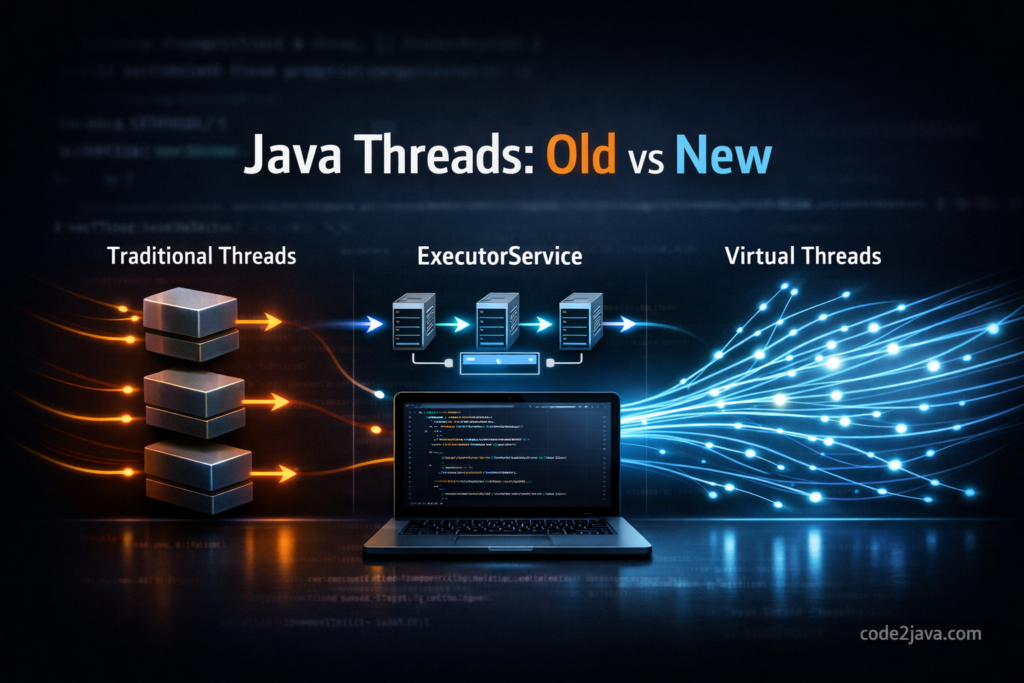
Java’s threading model has been the same for twenty-five years. One Java thread maps to one OS thread. The OS

If you’ve worked with backend systems, you’ve already used concurrency—whether you realized it or not.
But most developers face this gap:
– They know the terms
– But don’t fully understand why problems happen and how to reason about them
This blog bridges that gap.

If you approach JDK 26 expecting “new APIs”, you’ll miss the bigger picture.
– This release is about refining what Java introduced over the last few versions
👉 Especially around concurrency, performance, and developer safety
So instead of jumping into code, we’ll first build context:
– What problem existed
– What changed over time
– What exactly improved in JDK 26
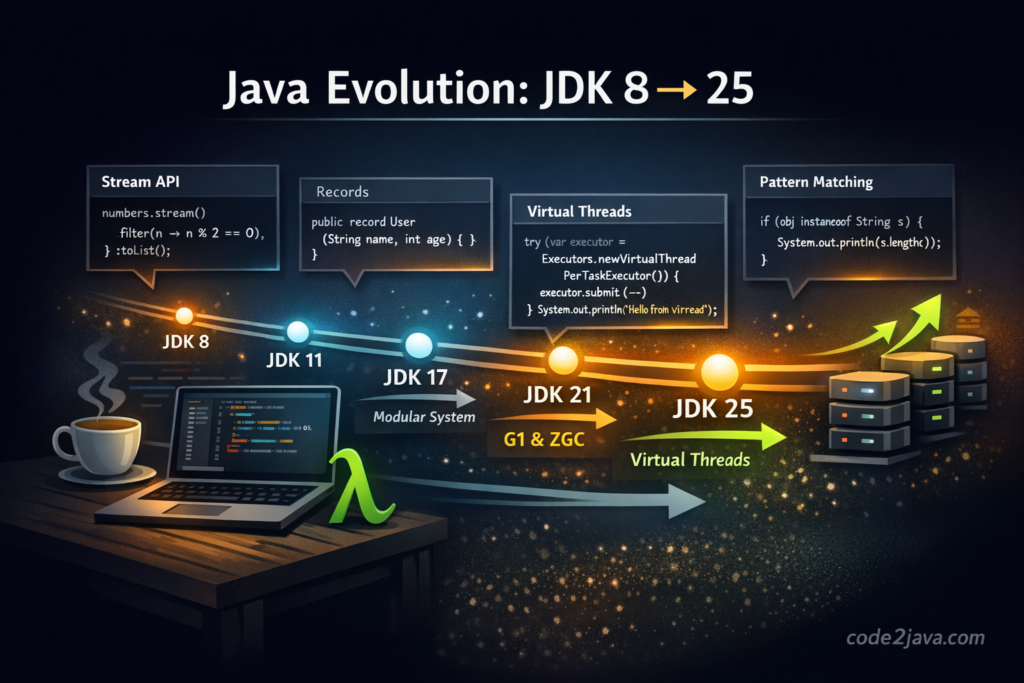
If you started Java around 2014–2016, chances are you lived in the world of Java 8 for a long time.
And honestly… Java 8 was revolutionary.
But what many developers don’t realize is 👉 the real transformation of Java happened after JDK 8.
Java didn’t just add features — it reinvented itself:
Faster release cycles
Modern language features
Massive performance upgrades
Completely new concurrency model (yes, Virtual Threads 🔥)
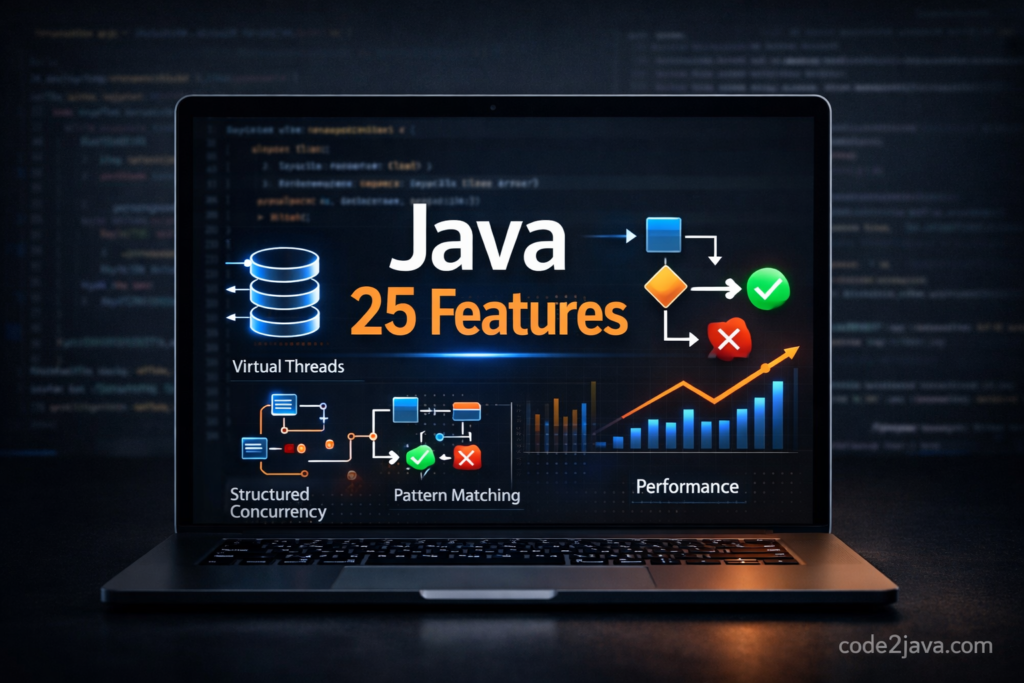
Java 25 is one of those releases that quietly fixes issues with performance, concurrency, maintainability.
It doesn’t try to impress you with flashy features. Instead, it refines the foundation — especially around concurrency and JVM behaviour.

AI is no longer limited to Python—enterprises are increasingly running AI directly inside JVM-based systems. By embedding model inference into Java applications, teams are reducing system complexity, improving performance, and keeping data closer to where it already lives. This shift allows developers to leverage existing Spring Boot architectures while integrating AI seamlessly into production workflows.
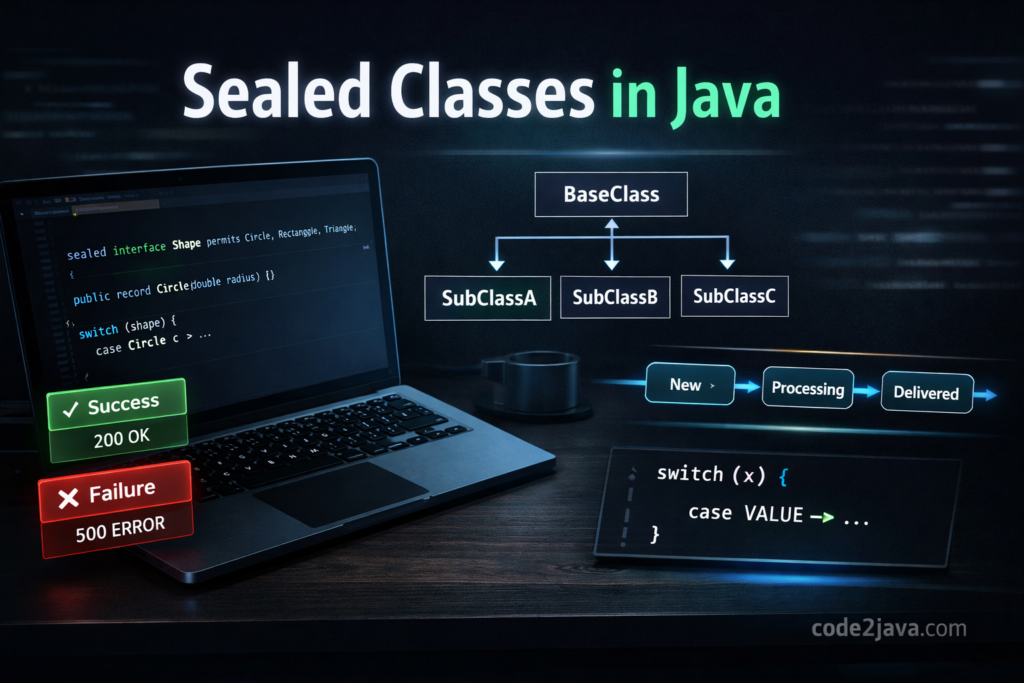
If you’ve ever designed a class hierarchy and thought:
“I wish I could allow only specific classes to extend this…”
Then sealed classes are exactly what you need.
This feature is not just syntactic sugar — it fundamentally improves how we model real-world problems in Java.